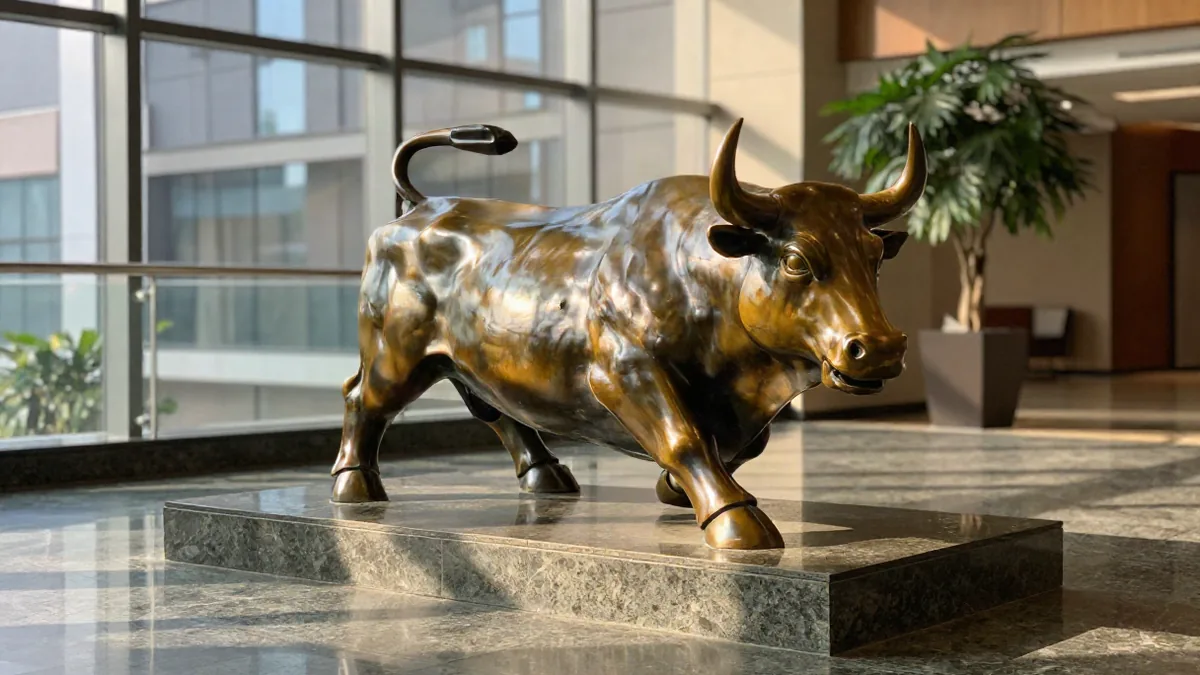
A buyback is a capital allocation decision, not a magic signal. When a company repurchases its own shares below intrinsic value with spare cash, remaining owners get a larger slice of a business that is worth more per share.
When it buys above intrinsic value, or borrows to do it, the same headline can hide value transfer away from you.
The EPS effect is where most retail readers get misled. Fewer shares raise earnings per share even if total earnings never move. That mechanical lift says nothing about whether the purchase was smart, and it can flatter a stock for a quarter or two before the balance sheet catches up.
What a buyback actually does to the numbers
Buying back stock reduces the share count, so dividing the same net income by fewer shares lifts EPS. However, the company has also spent cash or taken on debt, which means the enterprise is smaller or more levered than before. Total earnings do not improve from the repurchase itself.
Value creation depends on the price paid relative to what the shares are worth. If a dollar of stock is bought for less than a dollar of intrinsic value, the remaining shares are worth more. Pay more than intrinsic value and you have funded an exit for sellers at your expense.

Accounting optics matter here, because buybacks reduce book equity and can push return on equity higher without any operational improvement. Treat that as an arithmetic artifact, not evidence of a better business.
Valuation: the only test that matters
There is no way around the price question. A buyback at a low multiple of normalized earnings is a different transaction from the same buyback at a rich multiple. Management teams are human and tend to buy more when cash is plentiful and confidence is high, which often coincides with higher prices.
Look at the average price paid each period against your own estimate of value. If the company repurchases heavily near cycle peaks and stops during drawdowns, the program is likely destroying value over time even if EPS keeps climbing.
For long-term investors, the useful question is whether each repurchased dollar earns more than the company’s alternative uses of that dollar. Compare the implied return on the buyback with the return on debt reduction, reinvestment in the business, or a dividend.
Funding: cash, debt or disposals
Cash-funded buybacks from genuine free cash flow are the cleanest case. The company pays for the repurchase out of money it did not need, and leverage stays under control. Even then, check whether the cash came from operations or from working capital swings and asset sales.
Debt-funded buybacks change the risk profile: interest costs rise, covenants tighten, and the equity becomes more sensitive to a downturn. While this can look accretive to EPS in a benign environment, it quietly raises the chance of distress later.
Buybacks funded by selling a productive division are a red flag worth investigating. You are effectively swapping future operating earnings for a one-off reduction in share count. Read the cash flow statement and the notes, not the press release.
When buybacks create value
A repurchase adds value when three conditions line up. The shares trade below a defensible estimate of intrinsic value, the funding comes from surplus cash after necessary investment, and the business has predictable cash generation.
Mature, cash-generative companies with few high-return reinvestment options are the classic fit. If the stock trades at a discount to peers and to its own history on normalized earnings, retiring shares can be a sensible use of excess capital.
Insider buying alongside a repurchase is a useful corroborating signal, though not proof. It suggests management sees the same gap between price and value that you do, but verify it in filings rather than taking commentary at face value.
When they don’t
Buybacks destroy value when the price is high, the funding is borrowed, or the program exists mainly to offset stock-based compensation. In that last case, the company issues shares to employees and buys them back, so the net share count barely falls while cash leaves the business.
A program that is cut or suspended in a downturn reveals its true nature. Buybacks are discretionary, unlike dividends, and boards treat them that way. If the repurchase only happens when cash is abundant, treat it as a cyclical prop for EPS rather than a durable return of capital.
Watch for buybacks that mask deteriorating fundamentals. Falling revenue, rising receivables, and a shrinking share count can coexist for a while, so the EPS line may look fine even as the operating business weakens underneath.
The trader’s view: weeks to six months
For a trader, a buyback announcement is an event with a short half-life. The immediate reaction often reflects positioning and the size of the authorization relative to daily trading volume, not a change in intrinsic value. Treat the announcement as a liquidity and sentiment input.
Execution matters, because even a large authorization can absorb selling pressure over weeks, which may support the price independent of fundamentals.
While headlines announce the full amount, you should check the pace of actual repurchases in quarterly filings rather than assuming the authorization gets used.
Risk sits in the gap between announcement and execution. If the company slows purchases, or if the market refocuses on leverage and interest costs, the support fades. Size positions around that uncertainty and keep an eye on credit spreads for debt-funded programs.
The investor’s view: six months and beyond
For a longer holding period, judge the buyback as part of capital allocation over several years. Add up repurchases, compare the average price paid with the stock’s trading range, and see whether the share count actually fell after accounting for issuance.
A falling share count alongside stable or growing operating cash flow is a constructive combination. By contrast, a flat share count despite large gross repurchases tells you compensation dilution is eating the program.
Consider the opportunity cost, since money spent on buybacks is money not spent on debt reduction, acquisitions, or dividends. That trade-off is the real decision, and it deserves as much attention as the EPS headline.
Conclusion: read the cash flow, not the headline
Buybacks create value when a company buys undervalued shares with surplus cash and the business can spare it. They destroy value when the price is rich, the funding is debt, or the program mainly offsets dilution from pay.
The EPS lift is arithmetic, not evidence. Check the average price paid, the funding source and the net change in shares. If those three line up, the buyback is doing real work; if they don’t, treat the announcement as noise.
- Valuation Multiples Compared: EV/EBITDA, P/S and PEG
- Guidance and Estimate Revisions: Why They Move Stocks
- Free Cash Flow: The Number Behind Real Value
Frequently Asked Questions
Do share buybacks increase shareholder value?
Only when shares are bought below intrinsic value with surplus cash. A buyback at a high price or funded by debt can reduce value for remaining shareholders even as EPS rises.
Why does EPS go up after a buyback?
Fewer shares outstanding divide the same net income into more earnings per share. The company's total earnings do not change from the repurchase itself, so the lift is mechanical.
Are debt-funded buybacks risky?
They raise interest costs and leverage, which makes the equity more sensitive to a downturn. The EPS benefit can look attractive while the balance sheet becomes less resilient.
How can I tell if a buyback is actually reducing the share count?
Compare gross repurchases with new shares issued for stock-based compensation. If the net share count barely moves, the program is mostly offsetting dilution rather than returning capital.
Should traders react to buyback announcements?
Announcements can affect liquidity and sentiment over weeks, but they do not change intrinsic value by themselves. Watch actual execution in filings and the funding source before drawing conclusions.




AI Notice: This article was created wholly or predominantly with the assistance of artificial intelligence and was published without human editorial review.
This article is for general information only and does not constitute investment advice. Always do your own research before making trading decisions.