
News · October 13, 2026, 05:32 UTC · Verified against the sources listed below.
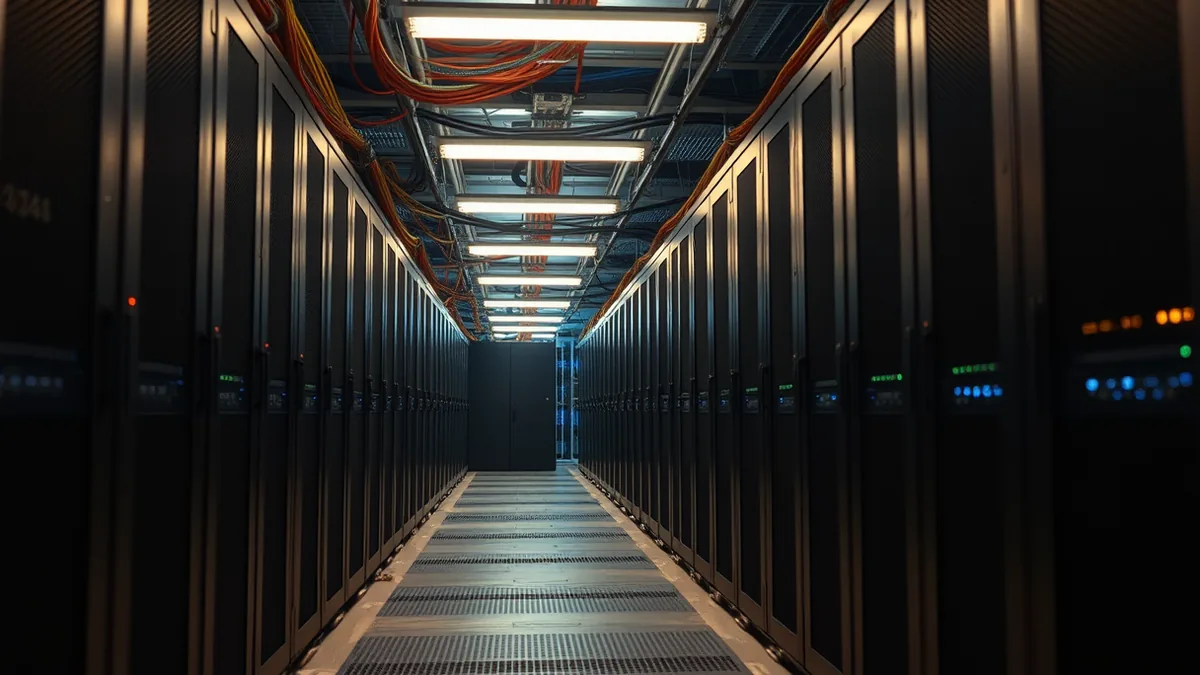
Microsoft unveiled its third-generation custom AI inference chip, the Azure Maia 300, on October 12, 2026, and said it will scale the Maia family to multi-gigawatt deployments starting in 2027, according to the company’s official blog. The announcement coincided with Microsoft reclaiming a $4 trillion market cap, Yahoo Finance reported on October 12, 2026.
The Maia 300 is designed for long-context reasoning, latency-sensitive conversational experiences and sustained multi-step agentic tasks, Microsoft said. The company expects it to deliver 40% more tokens per megawatt than leading GPU-based systems and up to seven times the rack-scale token throughput of the Maia 200 in a full 96-accelerator configuration.
What happened
Microsoft said the Maia 200 is now in production and serving workloads including Microsoft Copilot, with GitHub Copilot and Microsoft Foundry to follow by the end of 2026. The chip runs OpenAI models, Microsoft’s own MAI models and leading open-source model families, and is deployed across the United States, Europe and Australia, according to the company.
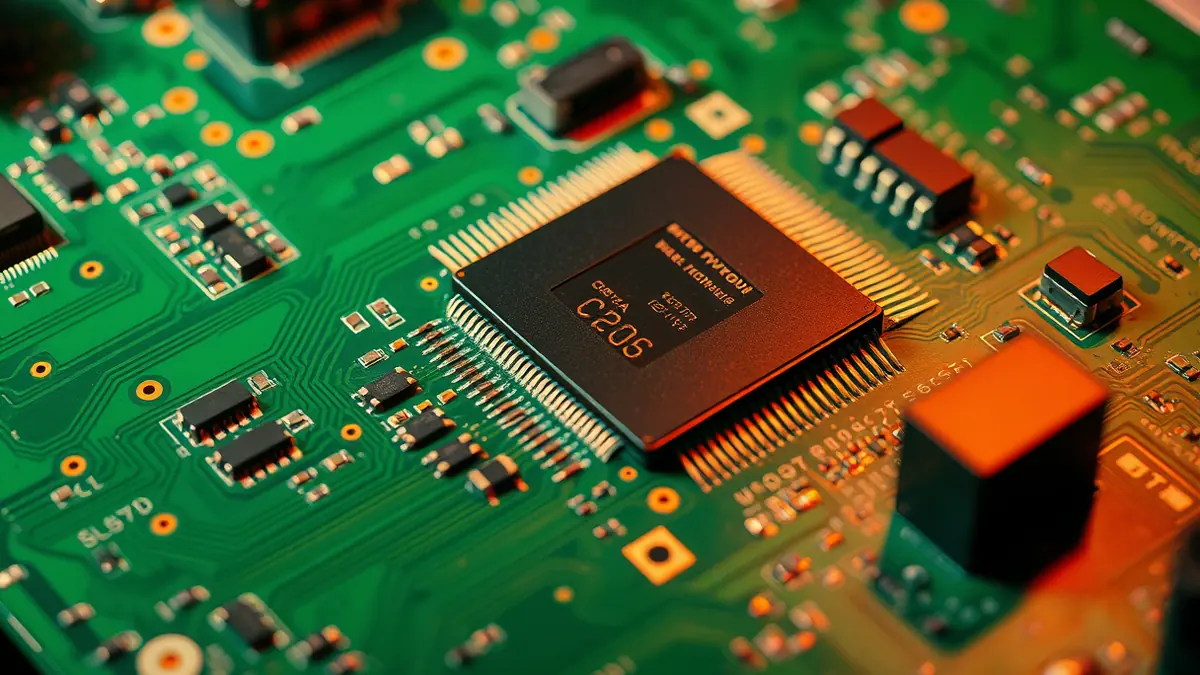
According to HotHardware, the Maia 300 features eight stacks of HBM4 memory delivering 18.0 TB/s of peak memory bandwidth within a 950-watt thermal design power. A full rack holds 96 accelerators in a 167-kilowatt power envelope, with 27.6 TB of aggregate HBM capacity and 1.7 PB/s of aggregate HBM bandwidth.
The chip uses a modular chiplet architecture separating compute, memory controllers and I/O blocks, with compute chiplets built on TSMC’s N2P process node, HotHardware reported. Microsoft said the architecture combines AI-assisted kernel optimization and on-die SRAM acting as a software-managed scratchpad to reduce HBM access.
KuCoin reported that production deployment of the Maia 300 is expected to begin in 2027, with scaling to megawatt levels planned afterward. Microsoft described the chip as complementary rather than a GPU replacement, emphasizing software compatibility and seamless migration.
Analysis: Why it matters for investors
Microsoft’s capital expenditure plans exceed $175 billion annually, yet Maia is expected to account for only around 10% of Microsoft’s AI chip spending by early 2027, according to Crypto Briefing. If that share rises, custom silicon could trim costs; however, Crypto Briefing noted that estimates suggest multi-billion-dollar savings would build slowly rather than arrive at once.
The strategic logic mirrors moves by Google and Amazon toward in-house silicon, Yahoo Finance reported. Microsoft said it is taking a heterogeneous approach, continuing to buy Nvidia, AMD and Intel chips because customers may want them, while offering its own silicon alongside third-party options.
Investors should note that Microsoft’s performance figures are company-defined design targets. KuCoin cautioned that the 40% tokens-per-megawatt claim uses a Microsoft-defined baseline, and the sevenfold figure is a system-level comparison across generations and cabinets, not a single-chip speed increase. Without disclosed test conditions or third-party verification, these remain expectations rather than established results.
Who is affected
Nvidia and AMD are not written out of the story. Microsoft continues to invest in third-party solutions from both, and Crypto Briefing reported those partnerships remain critical, especially for AI training. TSMC stays in the picture regardless, since the Maia 300’s compute chiplets rely on its N2P node.
Microsoft’s own product teams are affected first: Copilot, GitHub Copilot, Microsoft Foundry and the MAI model team are named as intended Maia workloads. Enterprises running inference on Azure could see different silicon options and pricing over time, though the sources do not quantify customer-facing effects.
What is still uncertain
Key unknowns remain, as the sources do not say how many Maia 300 units Microsoft will deploy, what the chip costs, or when margin improvements might appear in results. Whether Maia’s share of Microsoft’s AI chip spending climbs beyond the expected 10% by early 2027 is an open question, as is the pace of the 2027 deployment ramp.
Conclusion: What to watch next
Three concrete markers stand out. First, how quickly Maia 300 deployments scale in 2027. Second, whether Maia’s share of Microsoft’s AI chip spending exceeds roughly 10%. Third, whether margin improvements begin showing up in Microsoft’s reported results. Microsoft’s stated goal is for Maia to become the primary inference system across its products and services, a shift that would reshape its cost structure if delivered.
Sources
- Yahoo Finance: Microsoft just reclaimed its $4T market cap, thanks to its Maia 300 AI chip (published 2026-10-12)
- kucoin.com: Microsoft Unveils Maia 300 Roadmap, Targeting 2027 Deployment | KuCoin (published 2026-10-13)
- HotHardware: Microsoft’s Maia 300 AI Chip Aims To Make AI Cheaper And Faster (published 2026-10-12)
- The Official Microsoft Blog: Microsoft to expand Azure Maia system to multi-gigawatt deployments – The Official Microsoft Blog (published 2026-10-12)
- Crypto Briefing: Microsoft prepares to deploy its Maia 300 AI chips in Azure data centers (published 2026-10-12)
Sources accessed on October 13, 2026. Figures as reported by the sources above.
Frequently Asked Questions
When will the Microsoft Maia 300 be deployed?
Microsoft said production deployment of the Maia 300 is expected to begin in 2027, with scaling to megawatt levels planned afterward. The company also said it will scale the Maia family to multi-gigawatt deployments starting in 2027.
How does the Maia 300 compare to the Maia 200?
Microsoft expects the Maia 300 to deliver 40% more tokens per megawatt than leading GPU-based systems and up to seven times the rack-scale token throughput of the Maia 200 in a 96-accelerator configuration. The Maia 200 is already in production serving Copilot workloads.
Does the Maia 300 replace Nvidia chips at Microsoft?
No. Microsoft described the Maia 300 as complementary rather than a GPU replacement, and said it continues to invest in third-party solutions from Nvidia and AMD, especially for AI training. The company said it is taking a heterogeneous approach offering multiple silicon options.
What are the Maia 300's key specifications?
According to HotHardware, the chip has eight stacks of HBM4 memory delivering 18.0 TB/s of peak bandwidth within a 950-watt TDP. A full rack holds 96 accelerators in a 167-kilowatt envelope with 27.6 TB of aggregate HBM capacity.
How much of Microsoft's AI chip spending will Maia account for?
Crypto Briefing reported that Maia is expected to account for only around 10% of Microsoft's AI chip spending by early 2027, against capital expenditure plans exceeding $175 billion annually. Whether that share rises beyond 10% is an open question.
AI Notice: This article was created wholly or predominantly with the assistance of artificial intelligence and was published without human editorial review.
This article is for general information only and does not constitute investment advice. Always do your own research before making trading decisions.